


Posted Friday 15th May 2026. The Chelsea news is moving fast this year, so some details may have shifted between my filing and your reading. I suppose that’s the nature of pre-show week!
The last of the tulips going over, alliums having their moment (Purple Rain doing what she does best), irises suffering in the May showers that should have come in April. The garden in that lovely chaotic state where spring is handing over to summer and everything’s happening at once.
And by the time you read this on Friday afternoon, I’ll be in central London on a different planet entirely. At RHS Chelsea. Steel toecap boots on, clipboard in hand. Crikey.
If you’re not part of the Chelsea machine, May is delicious. You barely give Chelsea a thought (except, if you’ve exhibited before, maybe being quietly glad you’re not the one out in the rain at 7am, becoming what we call Chelsea tramps. Living outside for three weeks, never quite sure where the next meal’s coming from, caught in a fast-paced bubble and not stopping unless food lands on site. Will I be cancelled for saying that? Hmm.)
And then ta-dah, this enormous flowery island just drifts in over central London and lands. SHABANG. Suddenly, it’s all anyone thinks about for months afterwards and sometimes an exhibit is so mind-blowing you’re still thinking about it years later. RHS Chelsea is a VERY big deal in our world. Approve of the show or not (more on that later), there’s no doubt that it celebrates, brings together and not least promotes every single person’s work in glorious horticulture.
Last year I wrote a Very Honest Preview of Chelsea 2025 and so many of you found it interesting and useful, that here I am again. Same honesty, different year.

And what a year. Nearly-not-happenings, last-minute saves, whispers about the show’s relevance, philanthropic farewells, a rival show popping up down the road, the RHS lifting bans it’s held for nearly a century, and a pleasure garden sponsored by a sex toy company. I’m not making any of this up.
Before we go any further, fair warning: this is a long one. I’ve spent the last couple of days digging into this year’s show and there’s just SO much to share I’d rather give you all of it than leave you short. If you’re reading in email you might want to pop over to the web version so nothing gets cut off.
Make a cup of tea, find a comfy chair. Are you sitting comfortably? OK. Let’s go to the Chelsea Flower Show together before the show’s even opened.
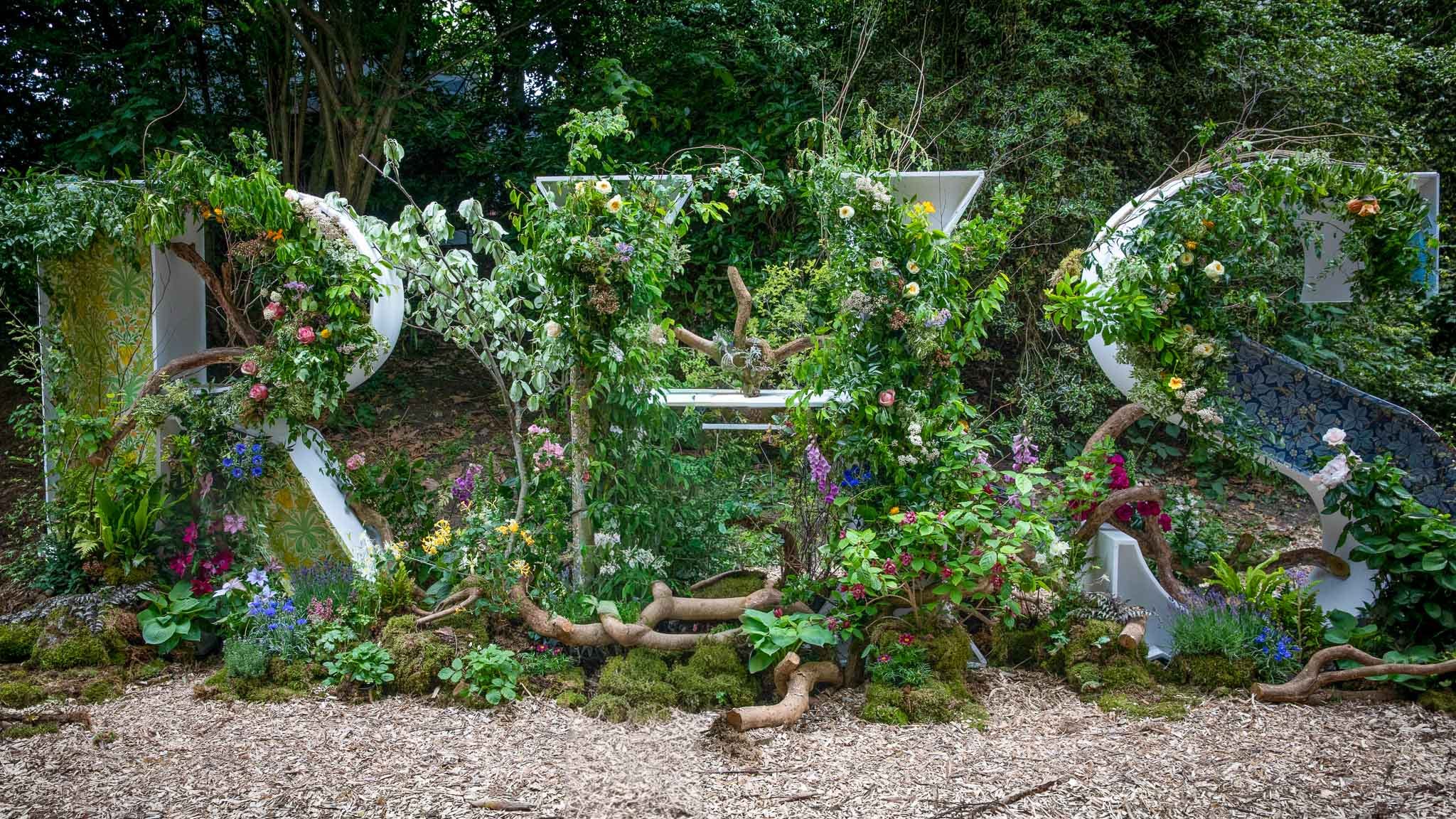
The Year Chelsea Almost Didn’t Happen (And Then Did)
First, a bit of context that might help make sense of this year’s show. Last year, I was halfway through a rather delicious pudding at the RHS President’s lunch when I heard The Newt’s CEO say from the stage that as they were leaving the show as headline sponsor, they wanted to “go out with a bang.” And WOW did they do that. The Karoo Garden with its six thousand succulents was a proper send-off. Four years of headline sponsorship DONE. Rounds of applause all round, then exit stage left.
What I didn’t know then is what would happen next. For a while it looked like Chelsea 2026 might not have a headline sponsor at all. The whispers through the horticultural grapevine all autumn were that the RHS were properly worried. Then, on 17th February, Range Rover appeared in a press release and announced themselves as the headline sponsor. Phew.
In itself, a car brand sponsoring Chelsea isn’t surprising. There have been corporate sponsors for decades. The Newt was the unusual one in being a working garden estate. What IS new, and I only found out today, is that the Range Rover Electric (the actual car, not a render or a brochure) will be sitting in the middle of their installation. The garden is called The Range Rover Cloister, designed by Alexandra Noble (London-based), described by the RHS as “a non-judged installation that reinterprets cloistered architecture,” with hornbeam columns, crafted stone pathways, reflective water and Amelanchier trees giving height. After the show it relocates to St Cecilia’s Care Home in Bromley, in partnership with Leonard Cheshire, as part of a long-term wellbeing programme. That last bit is genuinely lovely.
So, the EV, parked in a cloister surrounded by flowers. Who’d have thought it. I’ll be honest, my eyebrow went up, a flower show is a funny place to put a car, electric or otherwise, but the garden’s having a long life afterwards in a care home, the RHS need the cheque, and Chelsea needs a headline sponsor, so on we go. Alexandra is properly credentialled too (trained as an architect, worked with Luciano Giubbilei and Jo Thompson before setting up her own studio), so this will be done with a serious design eye. Another phew from me.
And then, the same Newt that walked away from headline sponsorship has gone and built its OWN FLOWER SHOW down in Somerset. Opening NINE DAYS before Chelsea opens its gates. I have no idea what the RHS actually think about THAT.
It’s called The Great Garden Show. 9-17 May, £25 for a day pass (yes, twenty-five POUNDS, free for under-sixteens), and the speaker line-up includes Alan Titchmarsh, Charles Dowding, Robin Lane Fox, Tony Kirkham, and Sandor Katz on fermentation. No judging, no medals, no BBC coverage, no temporary show gardens, no lorries arriving in the rain for three weeks of build. They’re calling it “an educational counterpoint” to Chelsea, which is a phrase I’m mulling over. Counterpoint suggests competition. I don’t think there is any, not really. Chelsea is Chelsea. The Newt’s show sounds like a quieter, slower thing for a different crowd. Both can sit in the same May, easily. But it’s interesting that The Newt felt the urge, and it tells you something about which way the wind is blowing.
A Note Before We Go On
One thing to flag before we get into the gardens. This year, I’ve been asked to be an Assessor at Chelsea. It’s part of the RHS judging career progression and plenty of designers do it, so I’m not making a big deal of it. But it does mean there’s a category I won’t be writing about, before, during or after the show, not which gardens, not what I think of them, not even a hint. The RHS Judges’ Code of Conduct is clear and rightly so. So, if a garden or exhibit you were expecting me to cover doesn’t get mentioned, you’ll know why.
What I CAN say is that Jules would be proud I’ve reached Assessor level. He was beside me for decades of Chelsea, every build, every medal, every disappointment, every shaking-hands moment. He knew what it meant. He spent twenty-three years teaching me to trust my own perspective, hold on to my own ideas, and say yes to things that scare me a bit. So, thank you, my love. This one’s for you.
The Gnomes, The Curious Garden, And The Pleasure Garden
Three stories that have done the rounds in every paper this year. Make of them what you will, I’ll walk you through.
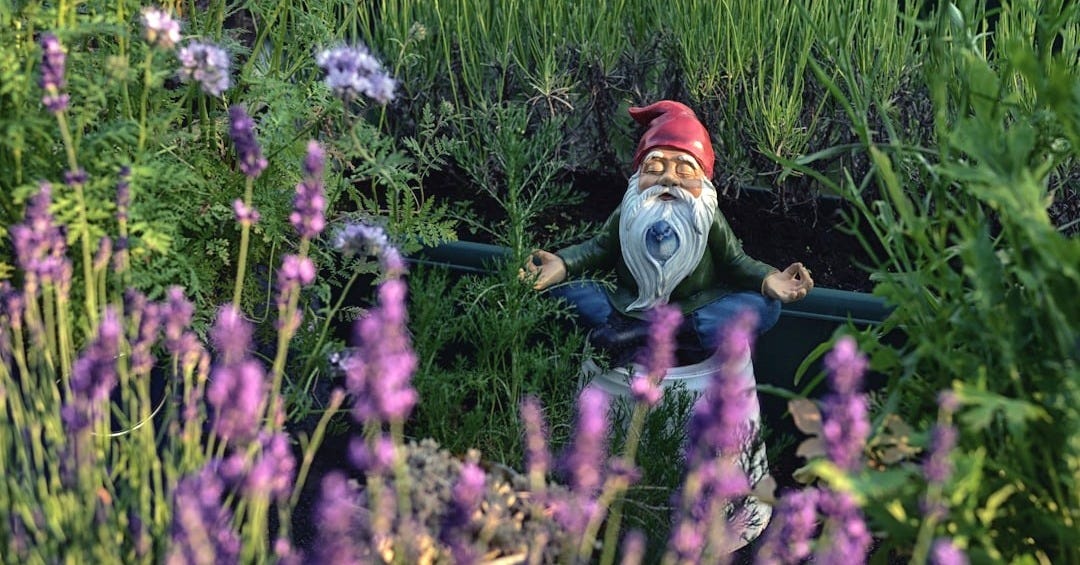
First, the gnomes. For only the second time in 113 years (the last was the centenary in 2013), the RHS has lifted its ban. Brian May, Mary Berry, Cate Blanchett and Baroness Floella Benjamin have decorated gnomes to be auctioned for the RHS Campaign for School Gardening, getting children gardening, which I’m properly behind. Is it Chelsea clickbait? Probably yes. Is that a bad thing if it raises money for kids in schools? Probably not. It’s definitely worth a small smile at the cleverness of it.
Then there’s The RHS and The King’s Foundation Curious Garden, a feature garden (so not judged), designed by Frances Tophill and championed by King Charles (who genuinely contributed delphiniums and a beehive at a meeting at Highgrove), Sir David Beckham (as King’s Foundation ambassador, also a beekeeper) and Alan Titchmarsh.
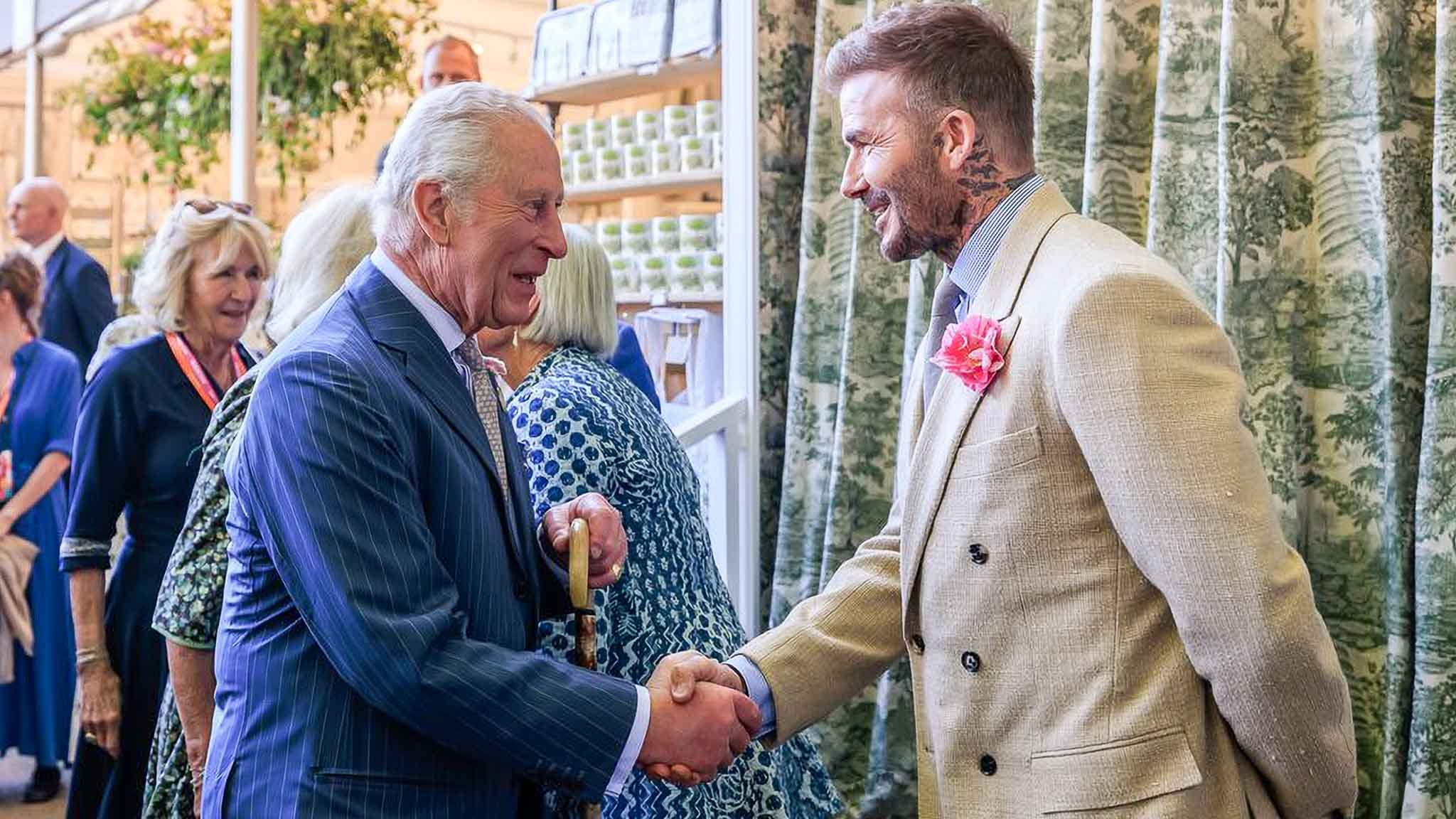
It’s the kind of three-way royal-and-celebrity patronage that gets press attention, and Frances is the designer doing the actual graft with quite the trio behind her. Frances is a serious horticulturist and I hope she gets her proper moment to shine through all this royal and celebrity attention. Speaking of Beckham, anyone who’s seen his Instagram will know he’s found the joy that we gardeners revel in every day, and I’m pleased he’s joined our ranks. The garden will encourage new gardeners to be curious, just as Beckham is right now, with take-home ideas for windowsills and balconies, and post-show it relocates to an urban site for young adults, which is definitely to be applauded. And yes, there’s a gnome in THAT garden too, nodding to the Highgrove tradition where the King moves a little gnome around the Stumpery to keep his staff on their toes.
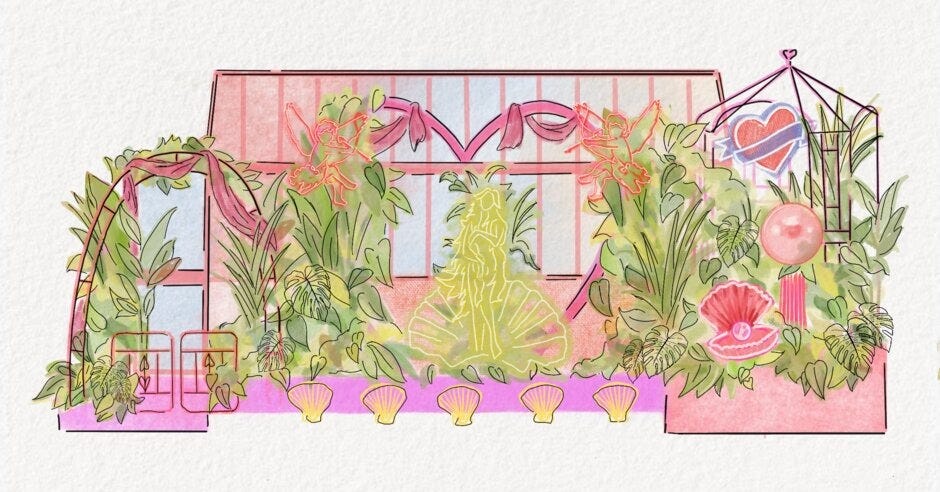
And then. THEN. There’s Aphrodite’s Hothouse, a “pleasure garden” sponsored by Lovehoney. Yes, THAT Lovehoney. The sex toy company. The Houseplant Studio is by James Whiting of Plants by There, Botanical Stylist (his own preferred title) and one of the most exciting interior plant talents we’ve got, with Gold and Best Houseplant Studio three years running (Babylon Beats in 2025, Verdant Visions in 2024, Planet Studio in 2022). The man is properly talented and flamboyant with it. Honestly? I think it’s brilliantly unstuffy of the RHS to welcome Lovehoney in, and James is going to make something FABULOUS of it. No doubt there’ll be plenty of pearl-clutching, you know what we Brits are like, but I think that can only be a good thing! And the Houseplant Studios category gets judged like every other, so this is a serious designer doing serious work with a cheeky brief. I cannot wait to see what he does.
A Question I Keep Returning To
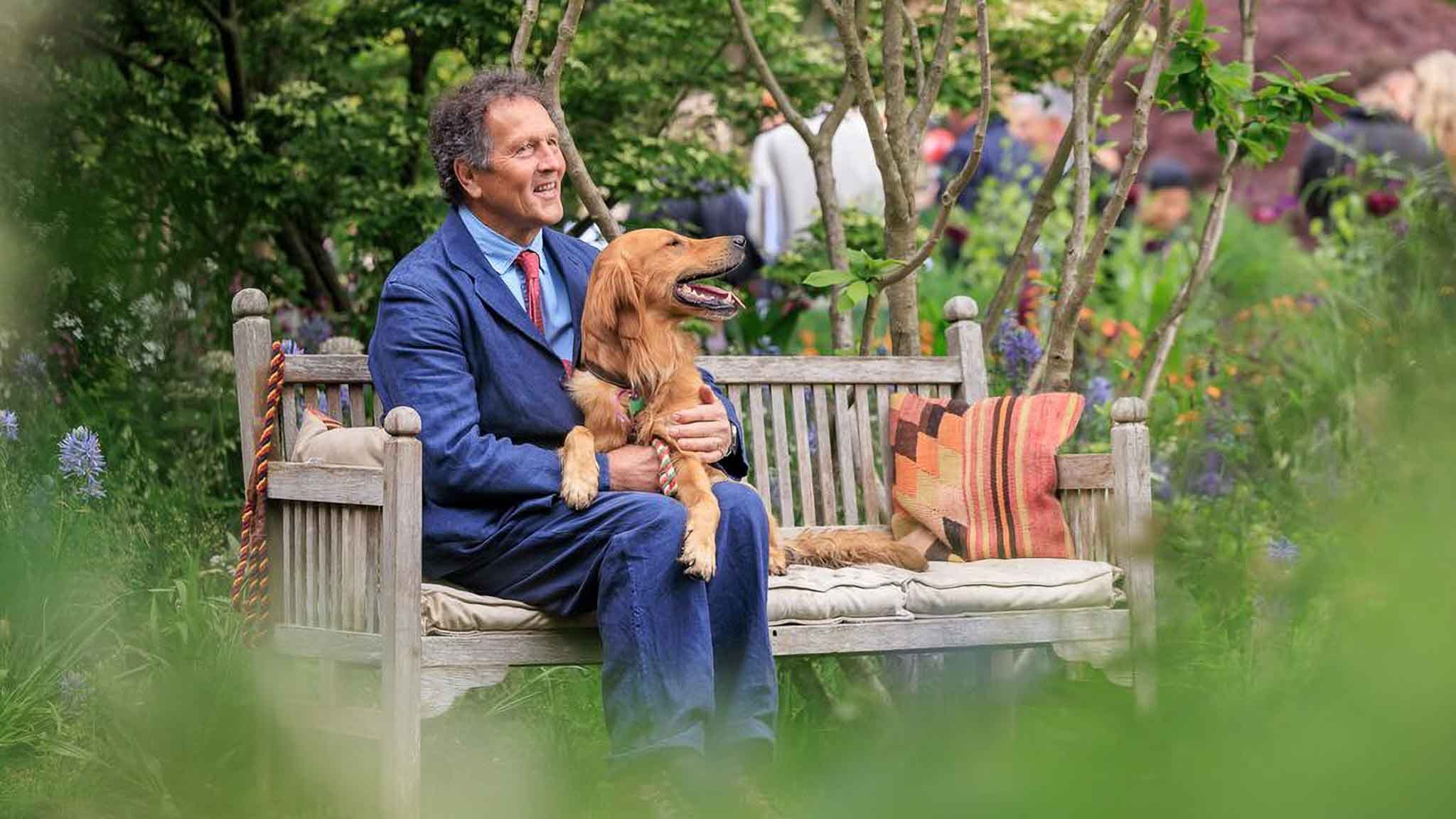
But, while we’re on the subject of headlines, there’s something that’s been on my mind, and I feel like I’d be dishonest if I didn’t share it. Last year’s RHS and BBC Radio 2 Dog Garden, designed by Monty Don with Jamie Butterworth of Form Plants (and lovingly relocated to Battersea after the show), seemed to me to take more coverage than most of the actual judged Show Gardens combined.
And here we are again, with Beckham’s name on the Curious Garden, Mary Berry’s gnome auctioned alongside Brian May’s and Cate Blanchett’s, and the Lovehoney brand attached to James Whiting’s Houseplant Studio. Celebrity and brand attached to a Chelsea project pulls the press, and that’s great for the show, the ticket sales, the funding, the whole thing. The RHS need it.
But I keep wondering, where does that leave the show gardens that designers have spent two, three, sometimes five years developing? Or the All About Plants entries? Or the quiet brilliance of a Pavilion nursery that’s been growing one plant family for fifty years? I don’t know the answer. But I think it’s worth asking the question.
The End of Project Giving Back
Now to the really serious bit. 2026 is the final year of Project Giving Back, the philanthropic scheme that funded over sixty Chelsea gardens for good causes between 2022 and 2026.
Every single one of them was relocated to a permanent home afterwards. Patients in hospices, children in schools, charities who couldn’t have dreamed of a Chelsea garden have permanent gardens because PGB existed. Before 2022 that was the exception. Now it’s mandatory under RHS rules. Project Giving Back have changed the face of Chelsea, some would say rescued it when show garden sponsorships were scarce. It’s a HUGE legacy.
This final year, PGB are funding around nine gardens (down from a peak of fifteen) and have commissioned their own feature garden by James Basson inspired by the ochre landscapes of Provence as a kind of farewell.
What replaces them in 2027 we don’t yet know. Chelsea next year is going to look different. Possibly very different. We’ll see.
And Then There’s The AI Conversation
It’s Wednesday as I write this piece, and today the Guardian has released a piece on AI in garden design, prompted by Matt Keightley launching an app called Spacelift that’s exhibiting three full-sized gardens at Chelsea this year, designed entirely on the platform. Some designers have spoken to the paper using words like “betrayal,” one even joked about the job centre opening times. The Society of Garden and Landscape Designers (my own professional body) has come out more measured, with chairman Andrew Duff saying AI can be useful for inspiration and visualisation but can’t replace the human understanding at the heart of design.
I’m not going to pile in. Matt and I designed the Hilltop gardens together at RHS Wisley (he did the Wellbeing Garden, I did the Wildlife Garden and World Food Garden), so I’ve worked alongside him on a serious project, and what I can tell you is he’s honest, upfront, and a properly good person. He’s also one of the most talented designers we’ve got. So, when Matt does something, I pay attention.
My honest view? AI tools ARE going to change what designers do, the way CAD did some ten, mybe more, years ago. (The first computer wrench if I’m honest. How I miss hand-drawn plans, having gone into garden design because I didn’t want a desk job. Well, HELLO!) What they can’t replace is what happens when you stand in someone’s garden in October and feel where the light falls, or when you talk through a brief with a client who’s just lost their mother and wants somewhere to grieve.
Design isn’t decisions about plants and paving. It’s a relationship with a place and the people who live in it. That bit isn’t going anywhere. But the conversation about AI in creative work is happening everywhere right now, not just in gardens, and pretending it isn’t, won’t make it go away. I’ll be genuinely intrigued to see the Spacelift gardens. Tell me afterwards what you thought.
Three Pavilion Tips Before We Go Behind The Gate
Before the paywall, three tips that I pulled from this year’s RHS Tips and Trends Report (an actual published thing, the exhibitors themselves writing up what they want gardeners to know). They’re genuinely useful tips, and they all come from Pavilion stands worth seeking out at the show.
Jonathan Hogarth’s Miniature Hosta nursery has the slug-proof terracotta pot trick. Take a terracotta pot, line the inside with clear toy-safe varnish, plant your hosta and fill with compost to 20mm below the rim. The varnish stops the terracotta absorbing water, so the outside stays bone dry, and slugs can’t climb a dry porous surface because the mucus trail they need to grip gets absorbed. Genius. (Confession: I’m not a hosta woman myself, but if you are, this is for you.)
British Cosmos has the answer to cosmos that refuse to flower. “Treat ‘em mean, keep ‘em keen” they say. Over-feeding with nitrogen makes them tall and bushy, not flowery. So, stop feeding them. Poor-ish soil, minimal feed, and they’ll flower from April right through to the first frosts.
Flowers from the Farm has a ranunculus revival in their sights. They say that people treat them like they’re impossible. They’re not. Free-draining soil, keep the frost off, and if your corms (called “claws”) refuse to sprout, soak them overnight in cool water, pop them in a tray of light compost, wait for a small head of green leaves to appear, then plant them out. And did you know they’re called the Rose of Spring because they fill the floristry spot while florists wait for actual roses to bloom? I confess that I did not!
Three tips, three nurseries who’ll be in the Pavilion next week if you want to find them. All well worth your time.
A quick thank you to my paid subscribers who make My Real Gardens possible!
On the other side of the garden gate this week:
·The Show Gardens I’d Queue For: six Main Avenue gardens with proper substance this year. Including the return of a designer who’s been off the Chelsea stage for EIGHTEEN years, a Best in Show veteran coming back from retirement, and the trio I’d queue for in any weather.
Inside The Great Pavilion: the six growers I’ll be making a beeline for, including the Scottish team that makes me a little teary every year, a vegetable company built on a Suffolk back garden, and the stand evoking a Guernsey shoreline with 2,500 clematis and a tomato grading machine. (Yes really.)
Plant of the Year: my honest take on this year’s eighteen-strong shortlist , plus a question for you to answer in the comments.
How Judges Look At A Garden (And What I’ll Be Looking For): all nine criteria the judges actually score against, why beauty ISN’T one of them, and the five things I’ve learned about Chelsea judging after thirty years on both sides of the scoresheet.
AMP’s Chelsea Survival Guide: the practical bits, including the early-evening trick most visitors never use, the four-thirty Saturday sell-off, and the Bullring Gate window thousands of people miss every year (and lose their plants because of it).
Plus, the audio version for listening whilst pottering, and access to the full back catalogue. Your subscription (less than a bag of compost a month) genuinely keeps this garden conversation growing.
